
How Access to Quality Healthcare Improves Life Expectancy.
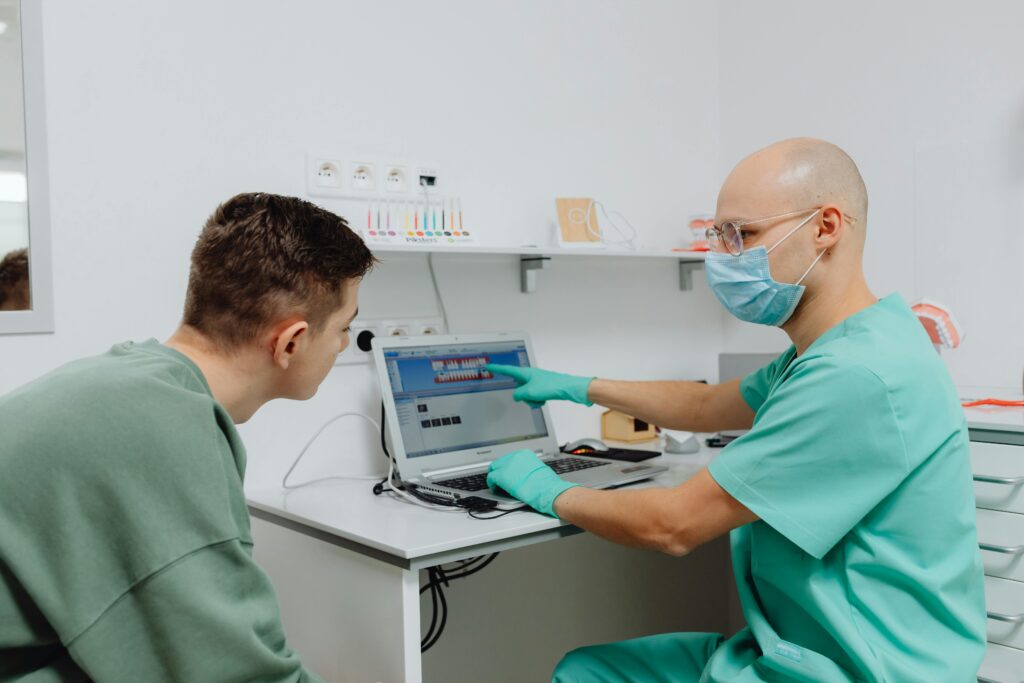
Healthcare is one of the most essential pillars of a healthy and productive society. Access to quality healthcare not only helps people treat illnesses but also empowers them to live longer, healthier, and more fulfilling lives. In today’s world, where lifestyle diseases are increasing rapidly, understanding the importance of reliable healthcare has become more crucial than ever.
Why Preventive Care Matters

Effective healthcare begins with preventive care. Regular check-ups, vaccinations, and health screenings help detect potential problems early—before they turn serious. Many common conditions, such as diabetes, high blood pressure, or thyroid issues, can be managed well when identified early. Preventive care also reduces the economic burden on families and healthcare systems, making it a sustainable solution for long-term wellness.
Role of Health Education

Another major part of a strong healthcare system is health education. When people understand their bodies, nutrition, mental health, and disease prevention, they make better lifestyle choices. Simple habits such as drinking enough water, eating a balanced diet, staying physically active, and managing stress can prevent several chronic illnesses. Healthcare professionals often encourage patients to adopt these habits as part of holistic wellness.
Technology & Modern Healthcare

Modern healthcare also includes advanced treatments and technology. From digital health records to telemedicine, people can now access medical care from anywhere. This has been especially beneficial in rural areas where hospitals and doctors may be limited. Telehealth makes it easier to consult specialists, receive follow-up care, and track one’s health progress digitally.
Importance of Mental Well-Being

Mental health has become an equally important part of the healthcare conversation. Stress, anxiety, and depression are rising globally, and there is growing awareness that mental well-being is just as vital as physical health. Access to counselling, therapy, and emotional support helps individuals lead more balanced lives.
Lastly, a successful healthcare system depends on trained medical professionals, functioning infrastructure, and accessible services. Governments, organisations, and communities must work together to ensure affordable and quality care for everyone.
Conclusion
In conclusion, healthcare isn’t just about treating diseases—it’s about building a healthier society. When people receive the right care at the right time, they live longer, stay productive, and contribute positively to the world around them.

